FBR Shares Vehicle and Fuel Audit Data with IB Amid Misuse Concerns
The Federal Board of Revenue has shared key audit details with the Intelligence Bureau regarding government vehicles and fuel usage, revealing compliance gaps, incomplete disclosures, and ongoing concerns over misuse of public resources despite austerity directives.
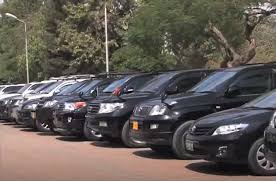
Public sector vehicles being inspected as part of accountability drive
The Federal Board of Revenue (FBR) has provided detailed information to the Intelligence Bureau (IB) regarding parked government vehicles, fuel card usage, and associated cost savings as part of an ongoing audit aimed at improving accountability and curbing misuse of public resources.
The development follows directives issued by the Prime Minister, who called for a comprehensive review of government assets and expenditures to ensure transparency and enforce austerity measures across all departments. The audit specifically targets the use of official vehicles, adherence to parking protocols, and the monitoring of fuel consumption through government-issued fuel cards.
According to sources familiar with the matter, several government departments have shown slow or incomplete compliance with the Prime Minister’s instructions. Despite clear guidelines, concerns persist that some officials continue to use government vehicles beyond authorized purposes, undermining the broader objective of reducing unnecessary expenditures.
The FBR’s report, shared with the IB, outlines steps taken to park surplus vehicles and regulate fuel usage. However, questions have emerged regarding the completeness and consistency of the data provided. In particular, officials have reportedly not disclosed full details concerning confiscated non-customs-paid (NCP) vehicles, raising concerns about transparency and uniform enforcement of regulations.
Sources indicate that the lack of comprehensive data on NCP vehicles has fueled suspicions that accountability measures may not be applied equally across all institutions. This perceived inconsistency could weaken public confidence in the government’s austerity campaign, which aims to demonstrate fiscal discipline and responsible governance.
Further complicating the situation are allegations that some NCP vehicles remain in use by senior officials, despite regulations prohibiting their operation. In addition, there are claims that certain government vehicles designated strictly for official duties are being used for personal purposes. These practices, if confirmed, would represent a direct violation of government policies and highlight gaps in oversight mechanisms.
The audit process is expected to continue in the coming weeks, with increased scrutiny from oversight bodies, including the Intelligence Bureau. Authorities are likely to intensify monitoring efforts and may introduce stricter enforcement measures to ensure compliance with established rules.
The government’s broader austerity drive is part of an effort to reduce fiscal pressure and promote efficient use of public funds. However, the success of these initiatives depends largely on consistent implementation and accountability across all levels of government.
As the audit progresses, stakeholders will be closely watching whether the findings lead to concrete actions, including disciplinary measures against violators and improved systems for monitoring government assets. Ensuring transparency and uniform enforcement will be critical in achieving the intended outcomes of the reform agenda.
Related Articles

Cosmic Byte Drakon Review – The Ultimate Tri-Mode Gaming Controller Under ₹5,000?
Discover the Cosmic Byte Drakon gaming controller with tri-mode connectivity, TMR joysticks, mechanical buttons, and pro-level customization. Full review, features, and performance breakdown.

MacBook Buying Guide 2026: Neo vs Air vs Pro – Which One Should You Buy?
MacBook Buying Guide 2026: Neo vs Air vs Pro – Which One Should You Buy?

Govt Unveils New Housing Loan Plan to Own a House for Just Rs. 16,500 Per Month
Govt Unveils New Housing Loan Plan to Own a House for Just Rs. 16,500 Per Month