Government Considers Lifting Petrol Price Cap as Subsidy Burden Mounts
Pakistan is considering ending its petrol and diesel price freeze as rising global oil costs strain public finances. The government is exploring targeted subsidies for low-income consumers, while increasing fuel prices are already impacting airfares, exports, and overall economic stability.
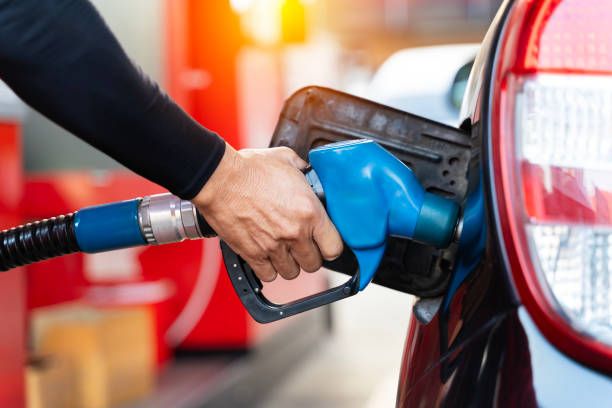
Petrol pump worker refueling a vehicle as Pakistan considers ending fuel subsidy policy
Pakistan’s federal government is weighing a major shift in its fuel pricing policy as mounting fiscal pressure and rising global oil costs make the current price freeze increasingly unsustainable.
Officials say the government, led by Prime Minister Shehbaz Sharif, is considering lifting the freeze on petrol and high-speed diesel prices, which has been in place despite sharp increases in international energy markets. The move comes as authorities simultaneously explore targeted subsidies aimed at protecting low-income consumers, particularly owners of motorcycles and three-wheelers.
During Ramadan, the government chose to hold petrol and diesel prices steady, absorbing the rising import costs through subsidies. However, this strategy has come at a significant fiscal cost. According to official estimates, the state is currently bearing approximately Rs. 175 per litre on diesel and around Rs. 75 per litre on petrol to maintain retail prices. Earlier, about Rs. 69 billion was allocated to cushion the impact of price increases.
Meanwhile, prices of other petroleum products have surged sharply. Jet fuel (JP-1) rose by Rs. 84 per litre, or roughly 22%, reaching Rs. 472, while kerosene increased by around Rs. 71 per litre, or 20%, to Rs. 429 within a week, as reported by Dawn. Since early March, jet fuel prices have jumped nearly 150%, and kerosene has climbed about 127%, reflecting heightened volatility in global markets following geopolitical tensions linked to the US–Israel conflict involving Iran.
The widening gap between domestic and international fuel prices has raised concerns among policymakers. A special cabinet committee recently reviewed the situation and discussed transitioning from broad price controls to targeted subsidies. Officials argue that continuing the current approach could create more severe inflationary pressures later if price adjustments are delayed.
The issue is further complicated by Pakistan’s ongoing engagement with the International Monetary Fund. Pending programme reviews and fiscal discipline requirements are increasing pressure on the government to rationalize subsidies and align domestic prices with global benchmarks.
Despite pricing challenges, authorities have assured that petroleum supply remains stable. Imports for March and April have been secured, and local refineries are operating at steady levels, ensuring uninterrupted nationwide distribution.
However, the impact of rising fuel costs is already visible in the aviation sector. Airlines have begun passing on higher expenses to passengers, with domestic ticket prices increasing by Rs. 10,000 to Rs. 15,000 and international fares rising by Rs. 30,000 to Rs. 40,000. Fuel typically accounts for 30% to 40% of airline operating costs, making carriers particularly vulnerable to price fluctuations.
The situation has been exacerbated by regional airspace disruptions, forcing longer flight routes and increasing operational expenses. Around 325 flights by Pakistani airlines have been cancelled, including nearly 200 operated by Pakistan International Airlines.
Exporters are also feeling the strain. The Pakistan Fruit and Vegetable Exporters Association has warned that additional air cargo charges of Rs. 50 per kilogram could disrupt perishable exports if fuel prices remain elevated.
As the government deliberates its next steps, the balance between fiscal sustainability and public relief remains at the center of Pakistan’s evolving energy policy.
Related Articles

Cosmic Byte Drakon Review – The Ultimate Tri-Mode Gaming Controller Under ₹5,000?
Discover the Cosmic Byte Drakon gaming controller with tri-mode connectivity, TMR joysticks, mechanical buttons, and pro-level customization. Full review, features, and performance breakdown.

MacBook Buying Guide 2026: Neo vs Air vs Pro – Which One Should You Buy?
MacBook Buying Guide 2026: Neo vs Air vs Pro – Which One Should You Buy?
Govt Unveils New Housing Loan Plan to Own a House for Just Rs. 16,500 Per Month
Govt Unveils New Housing Loan Plan to Own a House for Just Rs. 16,500 Per Month