Pakistan Plans Fuel Subsidy for Bikers and Rickshaw Drivers Amid Oil Price Surge
Pakistan is rolling out a targeted fuel subsidy for motorcycle and rickshaw owners as rising global oil prices strain low-income households and increase transport costs nationwide.
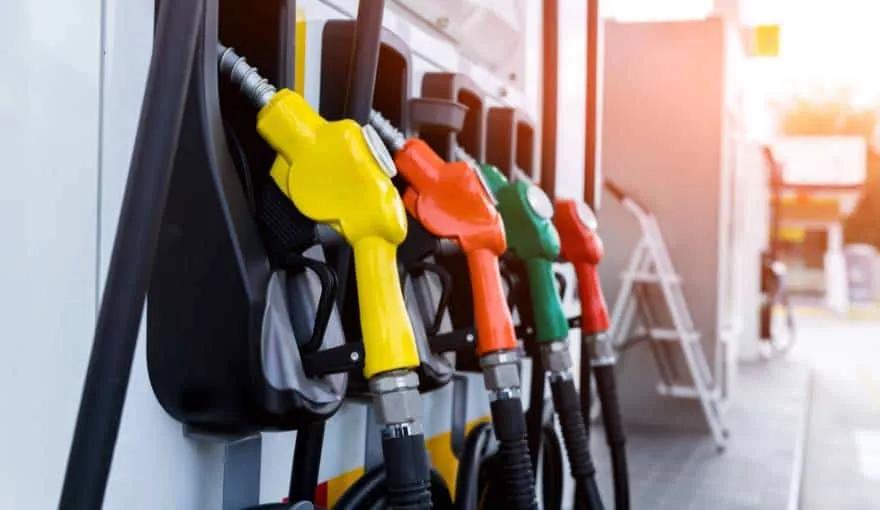
Prime Minister Shehbaz Sharif addressing fuel subsidy relief for low-income commuters
As global oil markets remain volatile due to escalating geopolitical tensions in the Middle East, Pakistan is stepping up efforts to shield its most vulnerable citizens from the economic fallout. Prime Minister Shehbaz Sharif has announced accelerated relief measures aimed at easing the burden of rising fuel prices, particularly for lower- and middle-income households.
At the center of this initiative is a targeted fuel subsidy program designed specifically for motorcycle and rickshaw owners—two groups that form the backbone of Pakistan’s daily commuting and informal transport economy. These segments are highly sensitive to fuel price fluctuations, as even minor increases directly impact their livelihoods and daily earnings.
The government’s move comes at a critical time. Global oil prices have surged due to supply chain disruptions and heightened tensions around key transit routes such as the Strait of Hormuz. For an oil-importing country like Pakistan, this translates into immediate domestic challenges, including higher transportation costs, increased inflation, and pressure on household budgets.
During a high-level policy meeting, officials briefed the prime minister on the ongoing efforts to finalize a transparent and efficient registration system. This system aims to identify eligible beneficiaries accurately, ensuring that subsidies reach those who need them most—particularly daily wage earners and low-income commuters. By leveraging coordination between federal and provincial authorities, the government is attempting to minimize leakages and improve targeting efficiency, a long-standing issue in subsidy programs.
From a policy design perspective, this approach reflects a shift toward targeted welfare mechanisms rather than broad, untargeted subsidies. Historically, blanket fuel subsidies have placed a heavy burden on Pakistan’s fiscal resources while often benefiting higher-income groups disproportionately. In contrast, the current plan focuses on precision—directing financial relief to specific user categories that are most exposed to fuel price shocks.
Economically, the implications are significant. Fuel prices are a key driver of inflation in Pakistan, influencing not only transportation but also food supply chains and overall cost of living. By stabilizing fuel expenses for critical transport operators, the government aims to indirectly control price pressures across multiple sectors.
However, implementation will be crucial. Experts often highlight challenges such as data accuracy, verification processes, and potential misuse of subsidy programs. The success of this initiative will depend on how effectively the registration framework integrates digital verification systems, possibly linking with national databases to ensure authenticity and prevent fraud.
Moreover, this relief measure is a short- to medium-term solution. Long-term energy resilience will require structural reforms, including diversification of energy sources, investment in public transport infrastructure, and reduced dependence on imported fuel.
Prime Minister Shehbaz Sharif’s assurance that “the economically weaker sections will not be left alone” underscores the political and social urgency of the situation. As global uncertainties continue to influence local economies, such targeted interventions may serve as a necessary buffer—though not a permanent fix—for Pakistan’s ongoing energy and inflation challenges.
In the coming weeks, all eyes will be on how quickly and effectively this subsidy program is rolled out, and whether it can deliver meaningful relief to those navigating the toughest economic conditions.
Related Articles

Cosmic Byte Drakon Review – The Ultimate Tri-Mode Gaming Controller Under ₹5,000?
Discover the Cosmic Byte Drakon gaming controller with tri-mode connectivity, TMR joysticks, mechanical buttons, and pro-level customization. Full review, features, and performance breakdown.

MacBook Buying Guide 2026: Neo vs Air vs Pro – Which One Should You Buy?
MacBook Buying Guide 2026: Neo vs Air vs Pro – Which One Should You Buy?
Govt Unveils New Housing Loan Plan to Own a House for Just Rs. 16,500 Per Month
Govt Unveils New Housing Loan Plan to Own a House for Just Rs. 16,500 Per Month