Petrol and Diesel Prices Expected to Rise in Pakistan Amid Subsidy Reforms
Petrol and Diesel Prices Expected to Rise in Pakistan Amid Subsidy Reforms
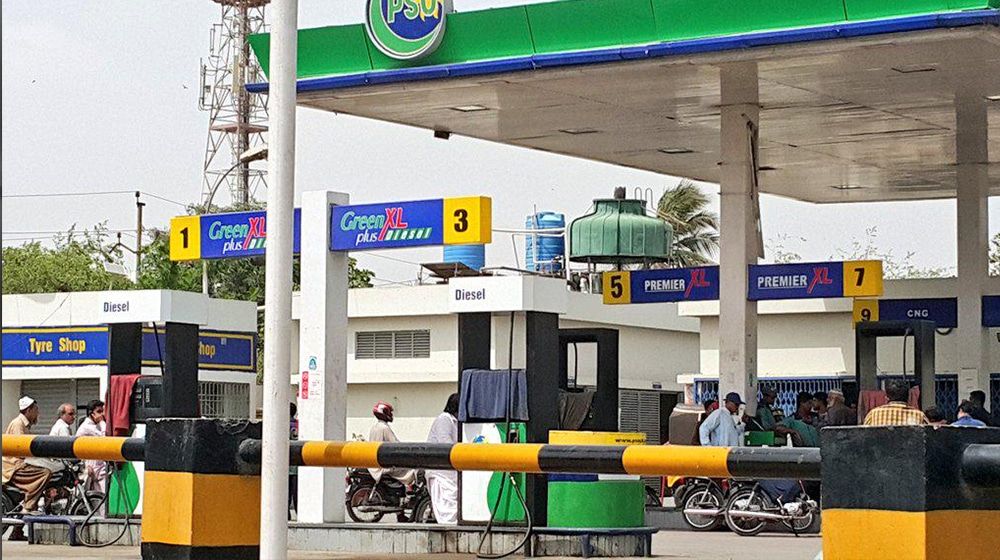
Petrol and Diesel Prices Expected to Rise in Pakistan
Pakistan is likely to witness another increase in petrol and diesel prices within the next few days as the federal government moves closer to adjusting fuel rates in line with rising international oil costs. The development comes as policymakers attempt to balance fiscal pressure with targeted relief for vulnerable segments of society.
The anticipated price hike follows a high-level meeting chaired by Finance Minister Muhammad Aurangzeb, where discussions were held with provincial leadership and senior federal officials. The primary objective of the meeting was to design a coordinated fuel subsidy framework that ensures financial sustainability while protecting low-income groups such as motorcyclists and farmers.
According to reports, the government is considering passing on the full impact of global petrol price increases to consumers, while only partially adjusting diesel prices. Officials estimate a significant gap between current domestic fuel prices and import-adjusted costs — approximately Rs. 100 per litre for petrol and over Rs. 200 per litre for diesel. Final pricing decisions are expected after updated calculations from the Oil and Gas Regulatory Authority (OGRA) and the Petroleum Division.
The federal government has already borne a substantial financial burden, absorbing nearly Rs. 129 billion in fuel subsidies over the past three weeks. However, authorities now plan to cap total subsidies at around Rs. 158 billion, prompting a shift toward shared financial responsibility with provincial governments.
This strategy was reinforced following consultations between President Asif Ali Zardari and Prime Minister Shehbaz Sharif. As part of the revised approach, provinces have been asked to contribute to subsidy programs based on their fiscal capacity and population metrics. Punjab and Sindh are expected to contribute proportionally under the National Finance Commission (NFC) formula, while Khyber Pakhtunkhwa and Balochistan will participate based on fuel consumption patterns.
Provincial administrations have, in principle, agreed to introduce targeted subsidies for petrol users, particularly motorcyclists. A uniform rationing mechanism is likely to be announced soon to ensure fair distribution of benefits. Meanwhile, Sindh has proposed extending diesel subsidies to farmers through its Hari Card database, with Punjab and Khyber Pakhtunkhwa planning similar initiatives.
Despite these relief measures, rising diesel prices remain a major concern due to their direct impact on transportation and logistics. Any increase in diesel costs typically leads to higher freight charges, which can trigger a ripple effect on food prices and overall inflation. To mitigate public backlash, provinces have agreed not to increase fares for Bus Rapid Transit (BRT) systems in major cities, although this may create pricing imbalances in smaller urban and rural areas.
Officials estimate that targeted subsidy programs could cost between Rs. 15 billion and Rs. 18 billion per week, with projections potentially rising to Rs. 30 billion depending on global oil price trends. While the government believes this burden can be managed jointly with provinces until the end of the current fiscal year in June, uncertainty in international energy markets continues to pose a significant challenge.
The outcome of these discussions signals a shift toward more structured and targeted subsidy policies as part of broader petroleum pricing reforms. The government aims to reduce fiscal strain while minimizing the inflationary impact on essential goods and services, a balancing act that will remain critical in the coming weeks.
As global oil prices fluctuate, Pakistani consumers should prepare for imminent changes in fuel costs, with the final announcement expected shortly.
Related Articles

Cosmic Byte Drakon Review – The Ultimate Tri-Mode Gaming Controller Under ₹5,000?
Discover the Cosmic Byte Drakon gaming controller with tri-mode connectivity, TMR joysticks, mechanical buttons, and pro-level customization. Full review, features, and performance breakdown.

MacBook Buying Guide 2026: Neo vs Air vs Pro – Which One Should You Buy?
MacBook Buying Guide 2026: Neo vs Air vs Pro – Which One Should You Buy?
Govt Unveils New Housing Loan Plan to Own a House for Just Rs. 16,500 Per Month
Govt Unveils New Housing Loan Plan to Own a House for Just Rs. 16,500 Per Month