Rs100 Per Litre Petrol Subsidy for Motorcyclists in Pakistan – Relief or Temporary Fix?
Rs100 Petrol Subsidy for Motorcyclists – Relief Plan Backed by Data or Economic Risk?
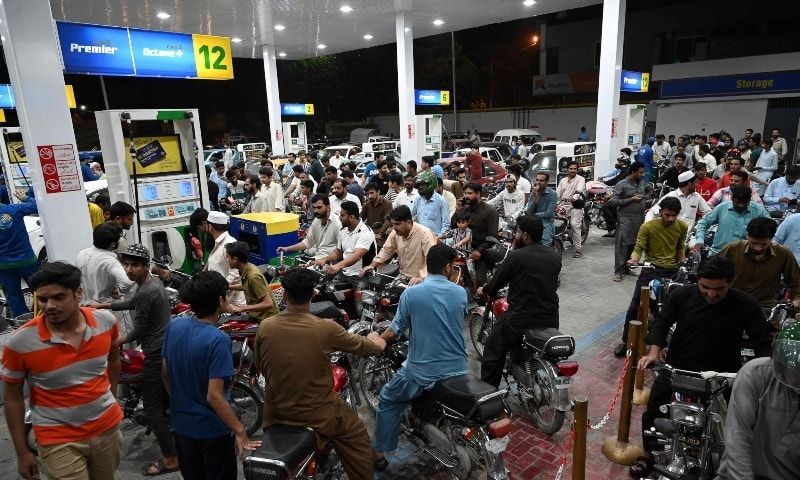
With petrol prices reaching record highs in Pakistan, the government is now considering a targeted relief measure — a Rs100 per litre subsidy specifically for motorcycle users. The idea has gained attention quickly, especially because motorcycles are the most common mode of transport for low- and middle-income households across the country.
But the real question is: Will this actually help, or is it just a short-term solution?
Why Motorcyclists Are Being Targeted
Motorcycles are not a luxury in Pakistan — they are a necessity.
Millions of people rely on bikes for:
- Daily commuting to jobs
- Running small businesses (delivery, ride services)
- Managing household mobility in urban and rural areas
Unlike car owners, most motorcyclists belong to lower-income groups. So, when petrol prices rise sharply, their daily expenses increase immediately.
A Rs100 subsidy per litre could significantly reduce their fuel cost, giving them some breathing space in an otherwise difficult economic situation.
How the Subsidy Plan May Work
While the final structure is still under discussion, the expected model could include:
1. Targeted Distribution
The subsidy will likely not be for everyone. Instead, it may focus on:
- Registered motorcycle owners
- Individuals verified through CNIC
- Low-income segments identified via government databases
2. Digital Verification System
To avoid misuse, the government may use:
- SMS-based registration
- Mobile apps or fuel cards
- Integration with NADRA or existing welfare systems
This ensures that only eligible individuals receive the subsidy.
3. Limited Fuel Quota
There may be a cap, such as:
- 10–15 litres per month per user
This prevents overuse and keeps the subsidy financially manageable.
Immediate Benefits for the Public
If implemented properly, this plan could provide real relief:
✔️ Lower Daily Travel Cost
Workers commuting on bikes would save a significant portion of their income.
✔️ Support for Gig Workers
Delivery riders and freelancers who depend on fuel would benefit directly.
✔️ Reduced Financial Stress
Lower fuel expenses mean more money for essentials like food and utilities.
Economic Impact – The Bigger Picture
While the subsidy sounds helpful, it also raises some serious economic concerns.
1. Pressure on Government Budget
Providing Rs100 per litre subsidy, even for a limited group, will cost billions of rupees. Pakistan is already facing fiscal challenges, so sustaining this plan long-term could be difficult.
2. Risk of Mismanagement
Subsidy programs in the past have faced issues like:
- Fake registrations
- Black market resale
- Inefficient targeting
Without a strong system, the benefit may not reach the right people.
3. Limited Impact on Inflation
Although it helps individuals, this subsidy does not reduce:
- Transport costs for goods
- Industrial fuel expenses
So, overall inflation may continue to rise despite this relief.
Is This a Long-Term Solution?
In reality, this is more of a short-term relief measure rather than a permanent fix.
Pakistan’s fuel crisis is deeply linked to:
- Dependence on imported oil
- Currency depreciation
- Global oil market fluctuations
Without addressing these structural issues, subsidies alone cannot stabilize the economy.
Final Thoughts
The proposed Rs100 per litre petrol subsidy for motorcyclists is a step in the right direction — at least in terms of targeting the people who need help the most.
For millions of Pakistanis, even a small reduction in daily expenses can make a big difference. However, the success of this plan will depend on transparent implementation, proper targeting, and financial sustainability.
In the end, while subsidies may provide temporary relief, Pakistan still needs long-term solutions to reduce its reliance on expensive fuel and protect its most vulnerable citizens.
Related Articles

Cosmic Byte Drakon Review – The Ultimate Tri-Mode Gaming Controller Under ₹5,000?
Discover the Cosmic Byte Drakon gaming controller with tri-mode connectivity, TMR joysticks, mechanical buttons, and pro-level customization. Full review, features, and performance breakdown.
MacBook Buying Guide 2026: Neo vs Air vs Pro – Which One Should You Buy?
MacBook Buying Guide 2026: Neo vs Air vs Pro – Which One Should You Buy?
Govt Unveils New Housing Loan Plan to Own a House for Just Rs. 16,500 Per Month
Govt Unveils New Housing Loan Plan to Own a House for Just Rs. 16,500 Per Month