Trump’s Iran War Escalates: Oil Prices Surge, Allies Step Back
The Iran war is spiraling beyond control as President Donald Trump faces rising global pressure, surging oil prices, and growing isolation. With the Strait of Hormuz at the center of the crisis, the stakes have never been higher.
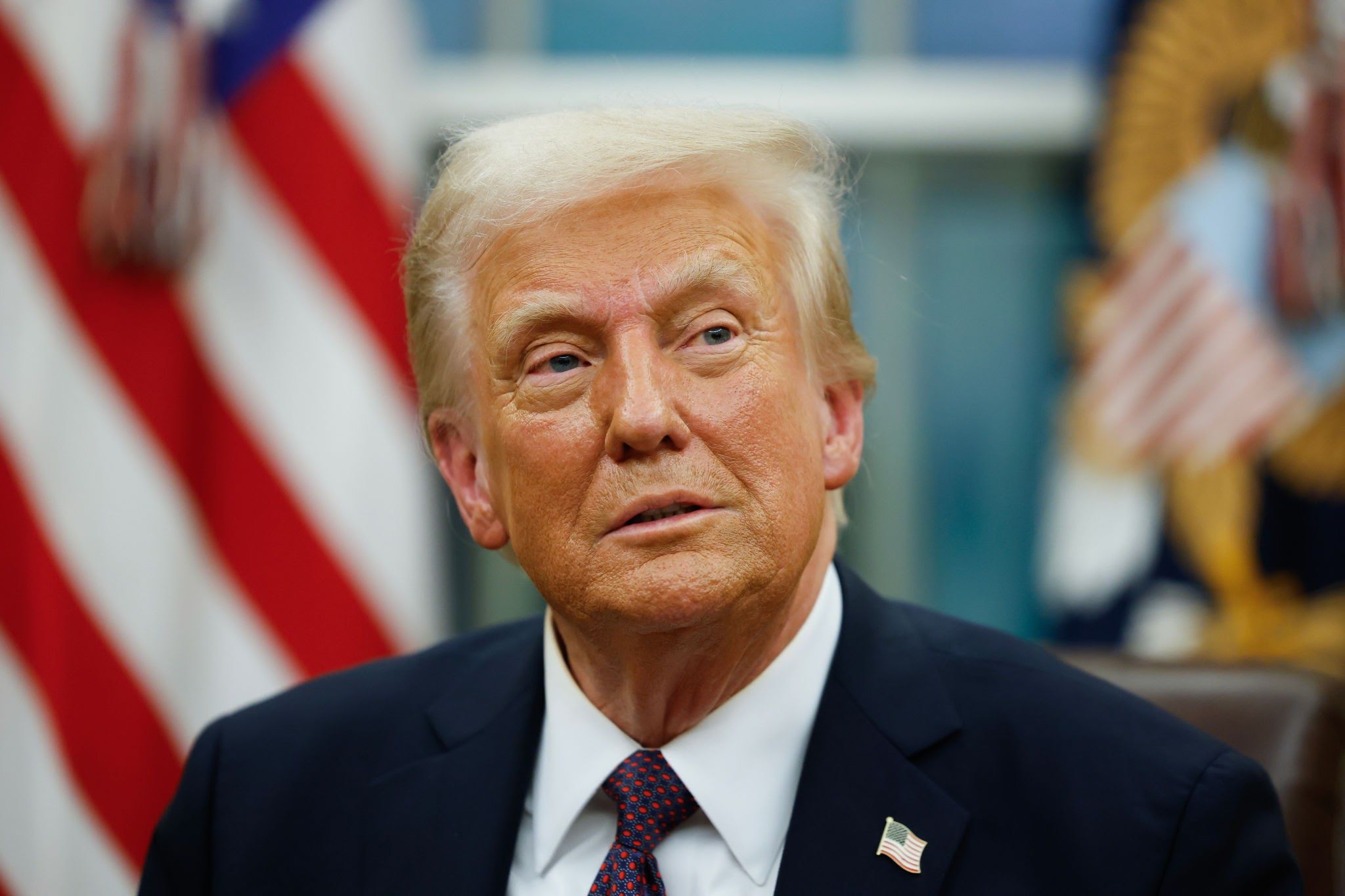
US President Donald Trump addresses media on Iran war as oil prices surge and Strait of Hormuz tensions rise
As the Iran war enters its third week, President Donald Trump faces rising oil prices, strained alliances, and no clear exit strategy amid escalating tensions.
Introduction
As the United States’ confrontation with Iran enters its third week, the conflict is rapidly evolving into a geopolitical and economic crisis with no clear end in sight. What President Donald Trump once framed as a limited military operation now appears increasingly difficult to control—both on the battlefield and in the global narrative.
With energy markets rattled, allies hesitant, and military commitments expanding, the administration is facing mounting scrutiny over its strategy and long-term objectives.
A War That Refuses to Stay Contained
At the center of the crisis is the Strait of Hormuz, a critical artery for global oil supply. Iran’s aggressive disruption of shipping routes has effectively tightened control over one of the world’s most vital energy corridors, triggering sharp increases in oil prices and sending shockwaves through international markets.
Despite heavy U.S. strikes targeting Iran’s military infrastructure, Tehran has demonstrated resilience. Missile attacks, drone operations, and regional strikes continue, underscoring its ability to retaliate and prolong the conflict.
Trump, however, has continued to project confidence, declaring the campaign “militarily won.” That assertion stands in stark contrast to ongoing hostilities and the absence of stability in the region.
Strained Alliances and Growing Isolation
One of the most striking developments of the past week has been the reluctance of NATO allies to support U.S. operations. Several countries have declined to deploy naval forces to secure shipping lanes, exposing deep fractures in Western unity.
Trump’s public criticism of allied nations—at one point labeling them “cowards”—has further complicated diplomatic efforts. Analysts suggest that years of strained relations have now translated into reduced willingness among partners to engage in a conflict they neither initiated nor endorsed.
The result is an increasingly isolated United States, forced to shoulder the burden of a widening conflict largely on its own.
Conflicting Narratives Inside the War Effort
Even among U.S. allies in the region, cracks are beginning to show. Disagreements over coordination—particularly regarding strikes on critical Iranian infrastructure—have raised concerns about communication gaps and strategic alignment.
While U.S. officials insist the campaign is proceeding according to plan, external observers see a different picture: a reactive strategy struggling to adapt to evolving realities.
This disconnect between messaging and events on the ground is making it harder for the administration to maintain credibility, both domestically and internationally.
No Clear Exit Strategy
Perhaps the most pressing concern is the lack of a defined endgame. The administration now faces two difficult paths:
- Escalation: Intensify military operations, potentially targeting key Iranian oil facilities or deploying ground forces.
- De-escalation: Declare victory and withdraw, risking instability and leaving regional allies exposed.
Both options carry significant risks. Escalation could entangle the U.S. in a prolonged war, while withdrawal may embolden Iran and undermine American credibility.
So far, there are no clear signs of which direction Trump will take.
Economic Fallout Begins to Bite
The economic consequences of the conflict are becoming increasingly visible. Rising oil prices are beginning to impact consumers, with fuel costs climbing and inflationary pressures building.
For many Americans, the connection between foreign policy decisions and everyday expenses is becoming harder to ignore. As one strategist noted, voters may soon start asking why a distant conflict is affecting their ability to afford basic necessities.
This economic strain could prove politically damaging, particularly as elections approach.
Political Risks at Home
The war is also testing Trump’s political strength. While his core base has largely remained supportive, cracks are beginning to emerge. Influential voices within his movement have started questioning the rationale behind the conflict and its long-term implications.
With midterm elections looming, Republicans face a delicate balancing act. Defending the administration’s strategy while addressing voter concerns over economic conditions could become increasingly difficult if the conflict drags on.
A prolonged war, combined with rising costs, has the potential to reshape the political landscape.
Strategic Miscalculations
Analysts point to several key misjudgments that may have contributed to the current situation:
- Underestimating Iran’s Response: Tehran has shown it can sustain and adapt under pressure.
- Overconfidence in Rapid Victory: Early assumptions about a short conflict have not materialized.
- Insufficient Contingency Planning: Broader geopolitical and economic consequences appear to have been underestimated.
Rather than collapsing, Iran has leveraged asymmetric tactics to maintain pressure, turning the conflict into a prolonged and unpredictable standoff.
The Messaging Battle
Beyond the battlefield, the administration is struggling to control the narrative. In a fast-moving media environment, conflicting reports and real-time updates have made it difficult to sustain a consistent message.
Trump has responded by attacking media coverage, but critics argue this approach does little to address the underlying issue: a lack of clarity about the war’s purpose and end state.
Without a compelling narrative, maintaining public support may become increasingly challenging.
What Comes Next?
The trajectory of the conflict remains uncertain, with several possible outcomes:
- Negotiated Settlement: Unlikely in the short term, given current positions.
- Prolonged Conflict: Continued clashes without decisive resolution.
- Escalation: A broader regional war with far-reaching consequences.
Each scenario carries significant risks, not only for the United States and Iran but for global stability as a whole.
Conclusion
As the war enters its third week, President Donald Trump faces one of the most complex challenges of his presidency. What began as a controlled military operation has evolved into a multifaceted crisis involving economic disruption, diplomatic strain, and strategic uncertainty.
The coming weeks will be critical. Whether through escalation, negotiation, or withdrawal, the decisions made now will shape not only the outcome of the conflict but also the broader global order.
For now, one thing is clear: the war is no longer a “short excursion.” It is a defining test of leadership, strategy, and the limits of power in an increasingly volatile world.
Related Articles

Cosmic Byte Drakon Review – The Ultimate Tri-Mode Gaming Controller Under ₹5,000?
Discover the Cosmic Byte Drakon gaming controller with tri-mode connectivity, TMR joysticks, mechanical buttons, and pro-level customization. Full review, features, and performance breakdown.

MacBook Buying Guide 2026: Neo vs Air vs Pro – Which One Should You Buy?
MacBook Buying Guide 2026: Neo vs Air vs Pro – Which One Should You Buy?

Govt Unveils New Housing Loan Plan to Own a House for Just Rs. 16,500 Per Month
Govt Unveils New Housing Loan Plan to Own a House for Just Rs. 16,500 Per Month