Why India Has Never Purchased U.S. Fighter Jets Despite American Offers
Why India Has Never Purchased U.S. Fighter Jets Despite American Offers
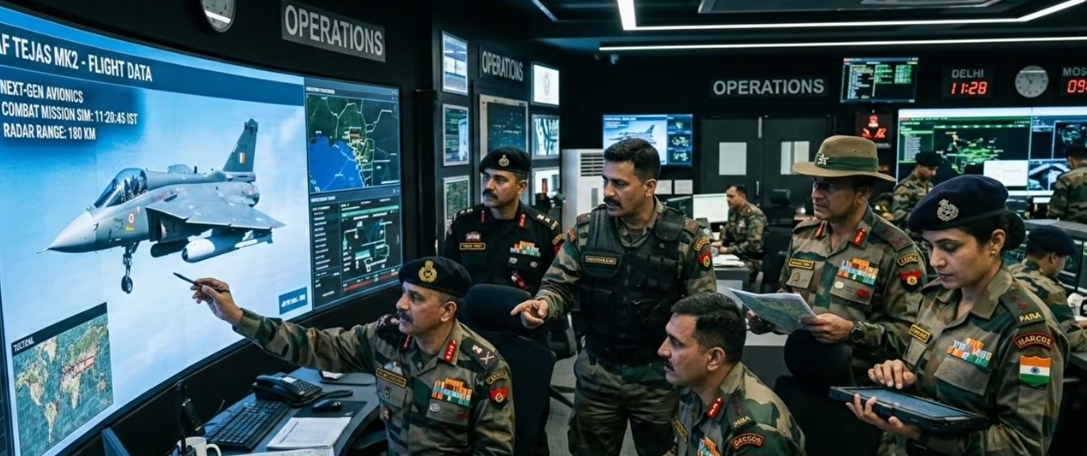
For decades, the United States has attempted to sell advanced fighter aircraft to India, including globally recognized jets such as the F-16 Fighting Falcon and the stealth-focused F-35 Lightning II. Despite these offers, the Indian Air Force has never inducted a U.S.-made fighter jet into its combat fleet.
Instead, India has traditionally relied on aircraft from Russia, the former Soviet Union, and France. This long-standing procurement pattern is not accidental. It reflects a complex combination of historical mistrust, geopolitical calculations, and India’s strategic goal of maintaining defense autonomy.
Understanding this policy requires looking at the historical relationship between India and the United States, as well as the strategic realities of global defense politics.
Cold War Legacy and Early Military Alignments
India’s hesitation toward American fighter jets can largely be traced back to the Cold War period, when global alliances shaped military partnerships across the world.
During that time, the United States developed a strong defense relationship with Pakistan, India’s regional rival. Washington supplied Pakistan with several advanced fighter aircraft, including the F-86 Sabre, the F-104 Starfighter, and later the F-16 Fighting Falcon.
These aircraft were viewed in New Delhi as a direct threat because they strengthened Pakistan’s air capabilities during periods of conflict with India. The experience created long-lasting skepticism among Indian defense planners about relying on American military hardware.
At the same time, India built a strong defense partnership with the Soviet Union. This cooperation led to the acquisition of iconic fighter jets such as the MiG-21, MiG-29, and Sukhoi Su-30MKI, many of which continue to serve in the Indian Air Force today.
The Soviet Union was also more willing to transfer technology and allow local manufacturing, which aligned with India’s long-term goal of building its own defense industry.
The Impact of the 1998 Nuclear Sanctions
Another major factor shaping India’s defense policy occurred after the 1998 Indian nuclear tests. Following these tests, the United States imposed economic and military sanctions on India, temporarily restricting cooperation between the two countries.
For Indian policymakers, this event reinforced a key concern: dependence on American defense systems could make India vulnerable to political pressure.
Modern fighter aircraft require continuous access to spare parts, software upgrades, and logistical support from the manufacturing country. If political relations deteriorate, the supplier nation could potentially restrict these resources, affecting the operational readiness of the air force.
This risk encouraged India to continue diversifying its defense procurement rather than relying heavily on a single supplier.
India’s Growing Defense Relationship with the United States
Interestingly, India’s cautious approach toward American fighter jets does not mean it avoids U.S. defense equipment altogether.
Over the past two decades, India has become one of the largest buyers of American military platforms outside NATO allies. The country has purchased several advanced systems, including the Boeing C-17 Globemaster III strategic airlifter, the Lockheed Martin C-130J Super Hercules tactical transport aircraft, and the Boeing P-8I Poseidon maritime surveillance aircraft.
In addition, India has inducted the AH-64 Apache attack helicopter and the CH-47 Chinook heavy-lift helicopter into its armed forces.
These purchases show that defense cooperation between the United States and India has grown significantly. However, when it comes to frontline fighter jets—the backbone of air combat power—India remains more cautious.
The Rafale Deal and Strategic Autonomy
One of the most significant fighter jet purchases in recent years was India’s decision to acquire the Dassault Rafale from Dassault Aviation in France.
The Rafale deal was widely interpreted as a strategic move. France is considered a reliable defense partner that typically imposes fewer political conditions on arms exports compared with some other major powers.
For India, this flexibility was important because it allowed the country to maintain greater control over how its military equipment is used and supported.
The Rafale jets now play a crucial role in strengthening India’s air superiority capabilities and complement existing aircraft such as the Sukhoi Su-30MKI.
Future Fighter Jet Options
Looking ahead, India continues to explore new fighter aircraft for the future. One possibility frequently discussed in defense circles is the Sukhoi Su-57, Russia’s fifth-generation stealth fighter.
At the same time, the United States continues to promote the F-35 Lightning II, widely regarded as one of the most advanced stealth combat aircraft currently in service.
However, India is also investing heavily in its domestic aerospace industry. The country is developing its own advanced fighter programs, including upgrades to the HAL Tejas and the planned Advanced Medium Combat Aircraft (AMCA).
These initiatives reflect India’s broader ambition to become more self-reliant in defense manufacturing.
India’s Strategy: Diversification and Independence
India’s fighter jet procurement strategy can be summarized in two key principles: diversification and strategic autonomy.
By purchasing equipment from multiple countries—such as Russia, France, Israel, and the United States—India reduces the risk of becoming overly dependent on any single supplier.
This approach also provides greater flexibility in foreign policy and defense planning.
While the United States remains an important strategic partner for India in areas such as maritime security and defense technology cooperation, India’s leadership continues to prioritize independence when it comes to its core combat capabilities.
Conclusion
The absence of American fighter jets in the Indian Air Force is not simply the result of a single political decision. Instead, it reflects decades of historical experiences, geopolitical considerations, and a strong commitment to maintaining defense autonomy.
Although India has strengthened military cooperation with the United States in recent years, its strategy remains clear: diversify defense partnerships while building a stronger domestic aerospace industry.
As global geopolitics evolve and new fighter technologies emerge, India’s approach to defense procurement will likely continue balancing international partnerships with national strategic independence.
Related Articles

Cosmic Byte Drakon Review – The Ultimate Tri-Mode Gaming Controller Under ₹5,000?
Discover the Cosmic Byte Drakon gaming controller with tri-mode connectivity, TMR joysticks, mechanical buttons, and pro-level customization. Full review, features, and performance breakdown.
MacBook Buying Guide 2026: Neo vs Air vs Pro – Which One Should You Buy?
MacBook Buying Guide 2026: Neo vs Air vs Pro – Which One Should You Buy?

Govt Unveils New Housing Loan Plan to Own a House for Just Rs. 16,500 Per Month
Govt Unveils New Housing Loan Plan to Own a House for Just Rs. 16,500 Per Month